
Norsaac
About the Organization
Norsaac is a leading organization in Ghana that has spent over two decades championing the empowerment of women, girls, and young people. Since 2002, it has worked at the heart of communities to improve lives in areas like health, education, gender equality, economic opportunities, and social protection. By partnering with both local communities and national stakeholders, Norsaac pushes for real policy changes that benefit those who are often left behind.
Their Mission
At its core, Norsaac exists to help people claim their rights and have their voices heard. The organization partners with networks of women, youth, children, and excluded groups, as well as like-minded organizations, to create lasting change. Whether through awareness, advocacy, or direct support, Norsaac’s mission is about building the confidence and power of communities to take charge of their own futures.
Their Vision
Norsaac believes in a future where everyone can live with dignity. Its vision is of a healthy, empowered society where people enjoy their rights fully, regardless of gender, age, or background. By promoting inclusive systems and challenging harmful norms, Norsaac works toward building communities that are peaceful, fair, and responsive to the needs of all.
Population Served
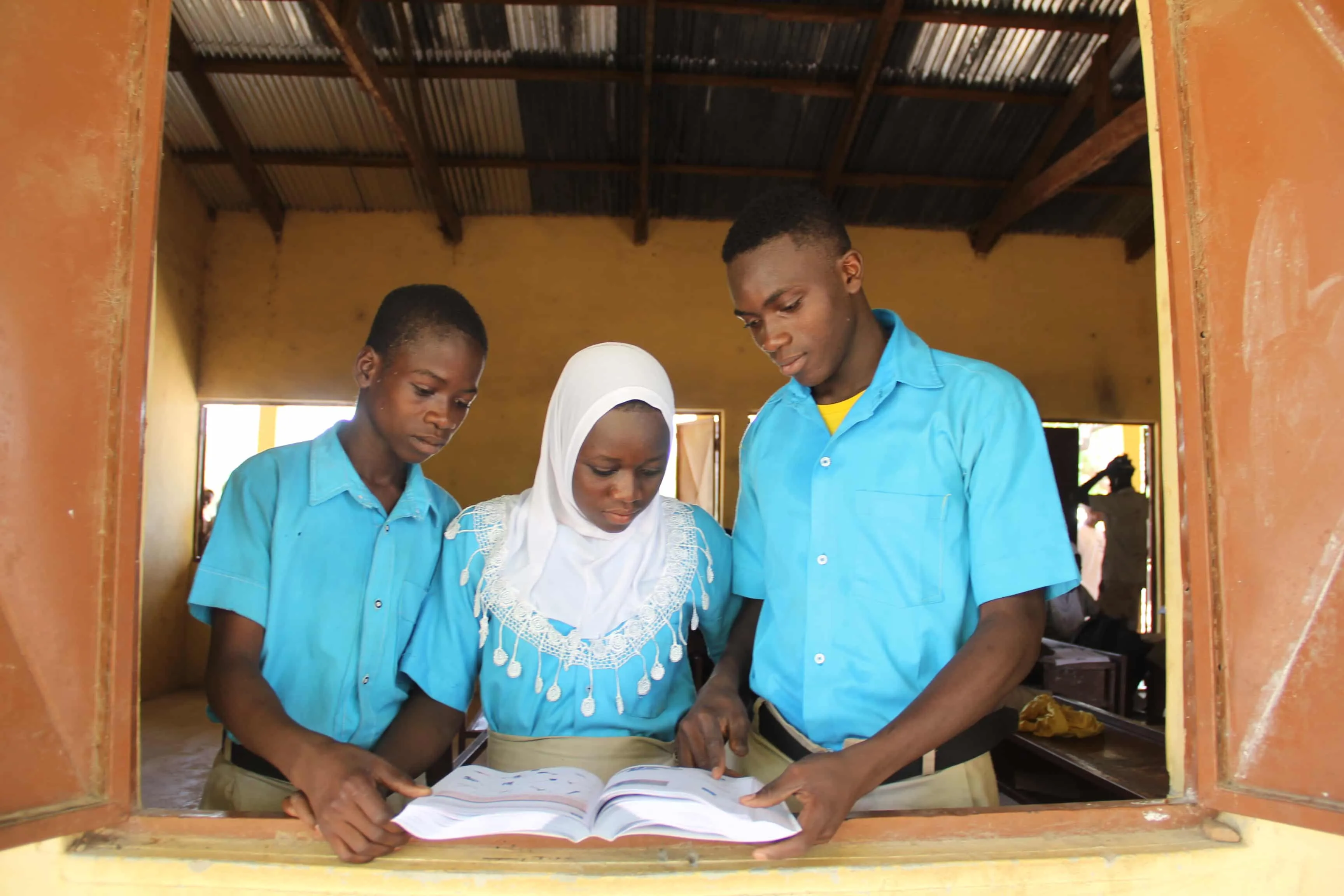
The people at the center of Norsaac’s work are women, young people, children, and marginalized groups. The organization focuses on improving access to education, healthcare, and economic opportunities, while also fostering stable and peaceful communities. By working with families, community leaders, and institutions, Norsaac creates an environment where individuals are not just supported but also equipped with the knowledge and tools to transform their own lives.
Why We Love Them
We’re often asked how we identify grassroots organizations in some of the most remote corners of the world. Norsaac is a perfect example of how our global network makes it possible. A childhood friend asked if we could help get her funding to girls’ programs in West Africa. At the time, we didn’t have partners in that region, so I reached out to a classmate from Ghana I’d met during graduate school in Bangkok. He connected me with two trusted local organizations. The result: a grant that funded a period poverty initiative in Northern Ghana, providing sanitary pads, textbooks, and family advocacy sessions to ensure girls can stay in school during menstruation. It’s a powerful example of activating networks and building trust bridges.