
From Classrooms to Communities: How AMAN Indonesia Is Bringing Women, Peace and Security to Life
Jakarta, Indonesia
What does it look like when peacebuilding moves beyond theory and into lived experience?
In Indonesia, through the work of AMAN (The Asian Muslim Action Network) Indonesia, it looks like students questioning what they’ve been taught about peace. It looks like young people crossing religious boundaries to sit together and talk openly. It looks like women who have spent years supporting their communities finally seeing their stories recognized and shared.
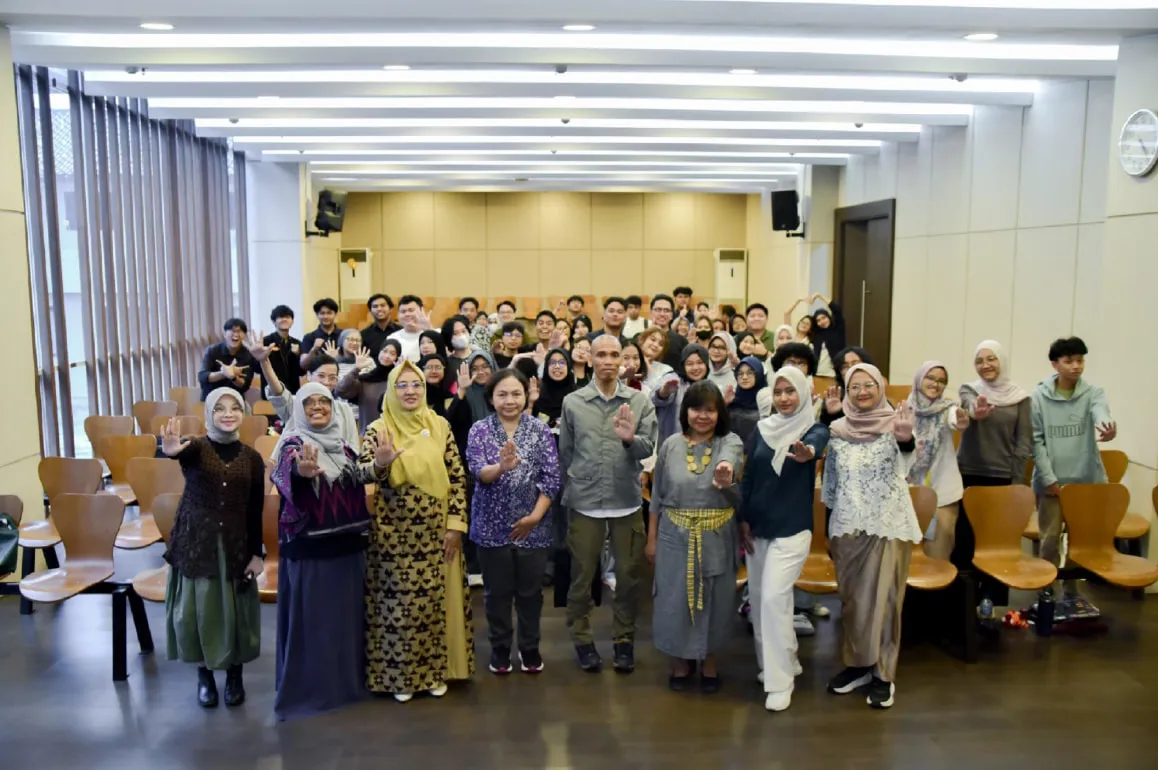
Through its Women, Peace and Security (WPS) Lecturing Goes to Campus program, AMAN Indonesia is connecting universities, communities, and digital spaces to reshape how peace is understood and practiced.
Closing the Gap Between Theory and Reality
In many university settings, conversations about peace and security remain abstract. Students learn about global frameworks and contextualize it into national and local policies, but often struggle to connect these ideas to what is happening around them.
AMAN Indonesia’s WPS Lecturing Goes to Campus series is helping to bridge that gap.
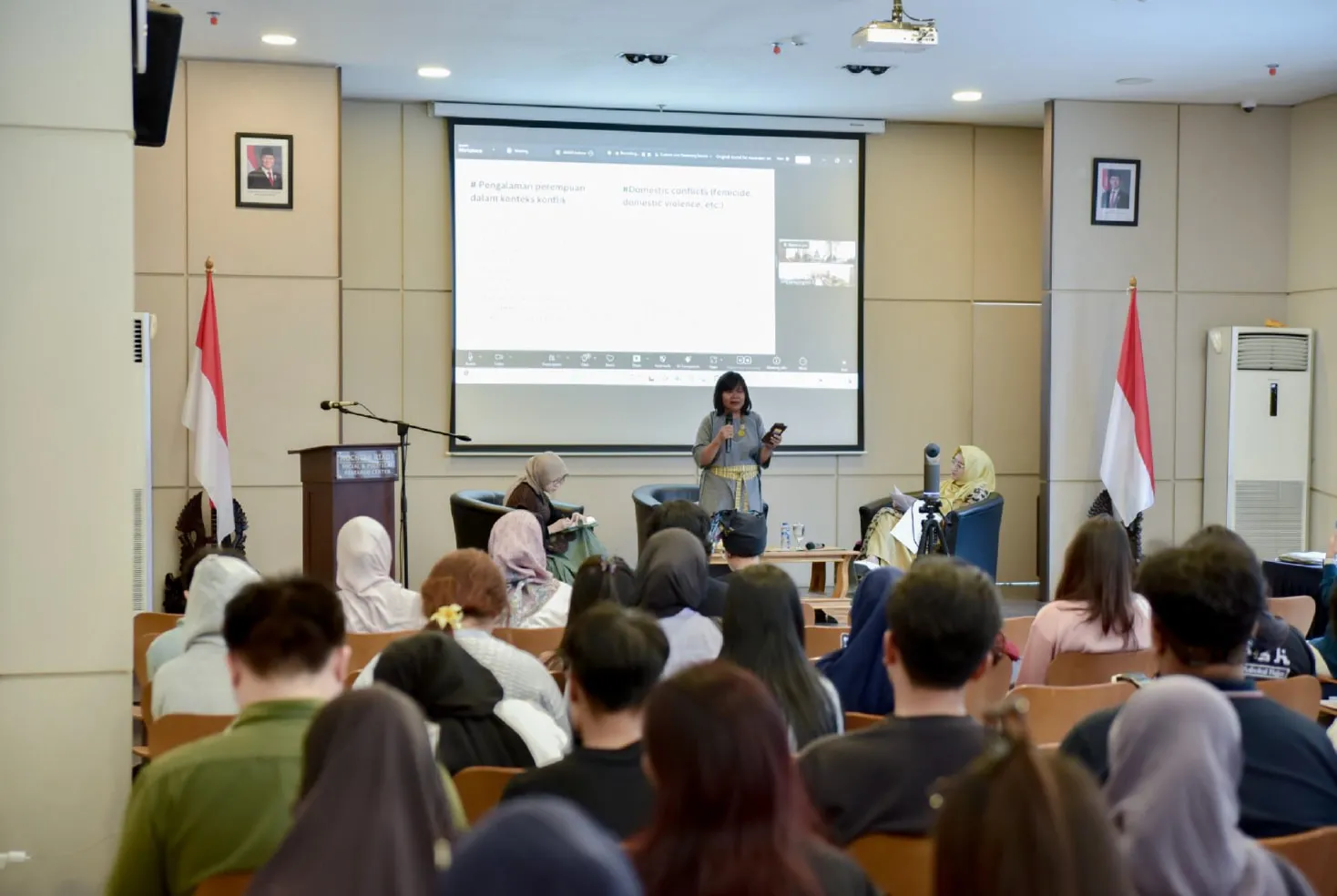
Across several universities, students engaged in discussions that connected policy to lived experience through a series of documentations as one of the manners. Many began to reflect on the role of communities, and especially women, in shaping peace. Rather than seeing peacebuilding as something distant, they started to see how it shows up in everyday life.
Professors were actively involved in these sessions, not only as speakers but also as collaborators. In some cases, this has opened the door to deeper integration of WPS into teaching and research, with conversations beginning around how these ideas could be sustained within academic institutions.
What started as a series of lectures is beginning to shift how peace is understood in the classroom.
Creating Space Where It Didn’t Exist
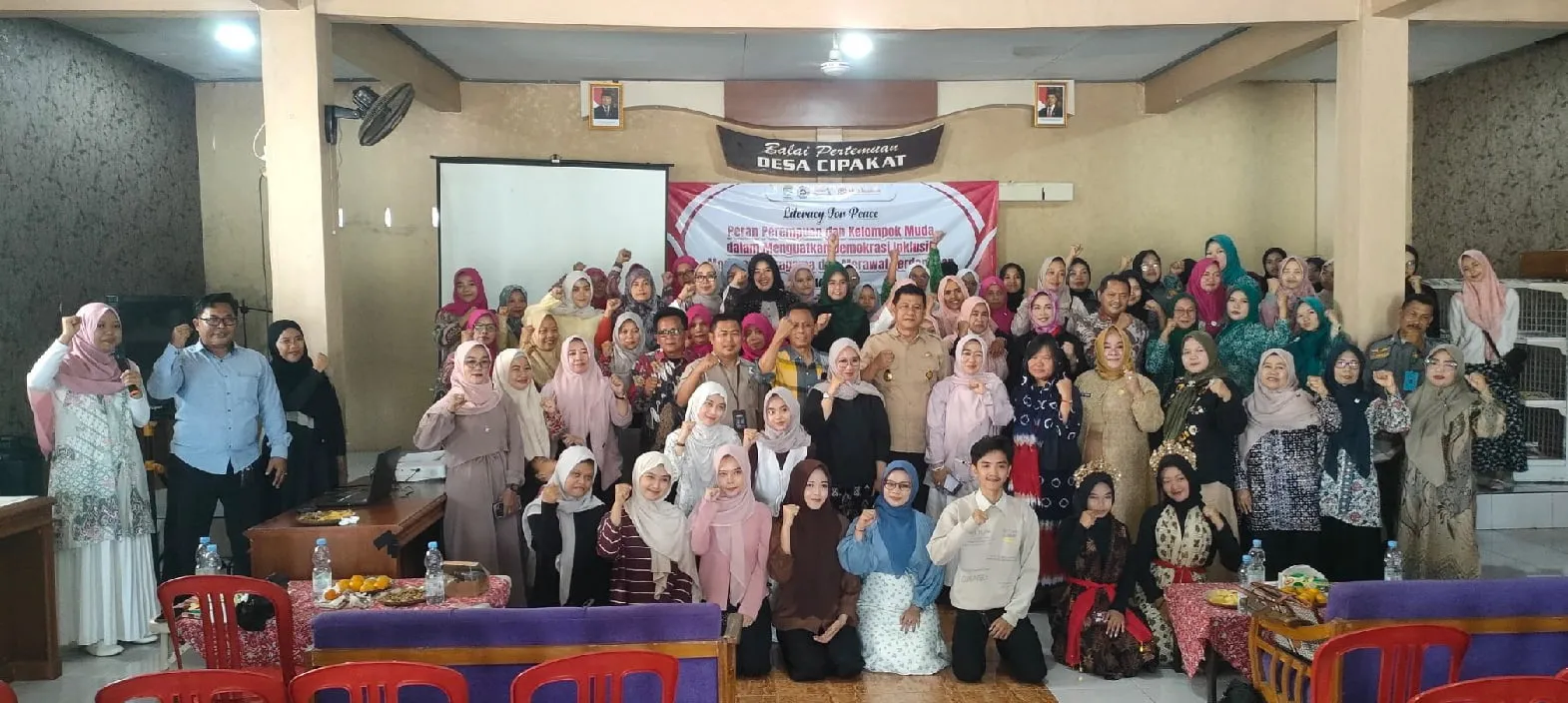
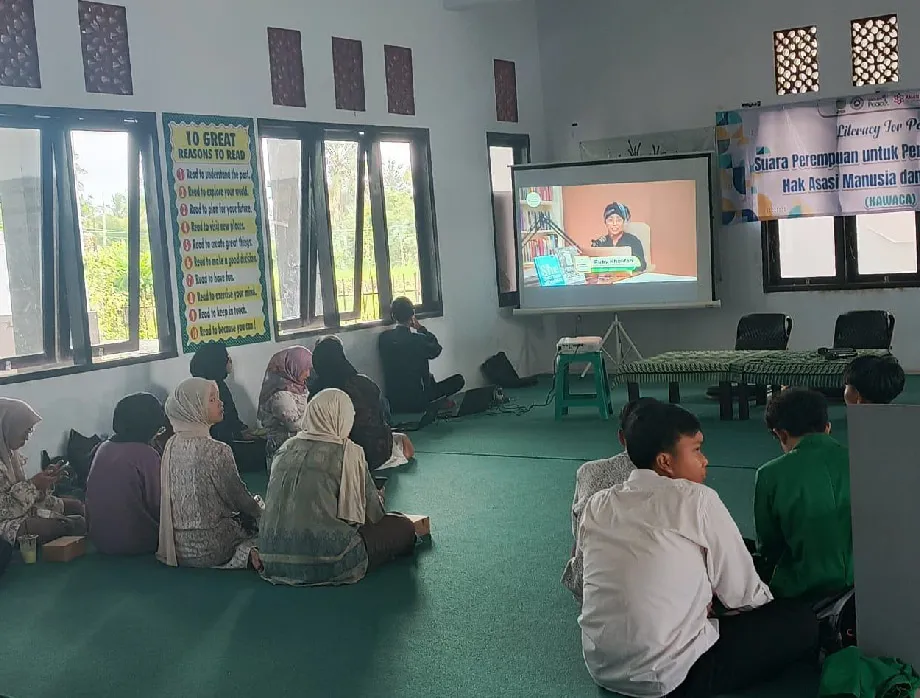
Beyond universities, AMAN Indonesia is supporting young people to create spaces for dialogue within their own communities.
In one community, young people described living close to one another but rarely interacting across religious or social lines. Groups existed side by side, but not together.
When AMAN introduced a youth-led community literacy group, even sitting in the same space felt unfamiliar.
At first, some participants were hesitant to speak, particularly those from minority backgrounds. But over time, the space began to open. Small group discussions made it easier to participate. Conversations grew more honest. People began listening to each other in new ways.
As trust developed, so did confidence.
Young participants began taking on more active roles, helping to organize discussions and facilitate conversations. What started as a structured activity began to evolve into a shared space that young people could shape themselves.
When Stories Become a Source of Strength
Storytelling has been a particularly powerful part of this work.
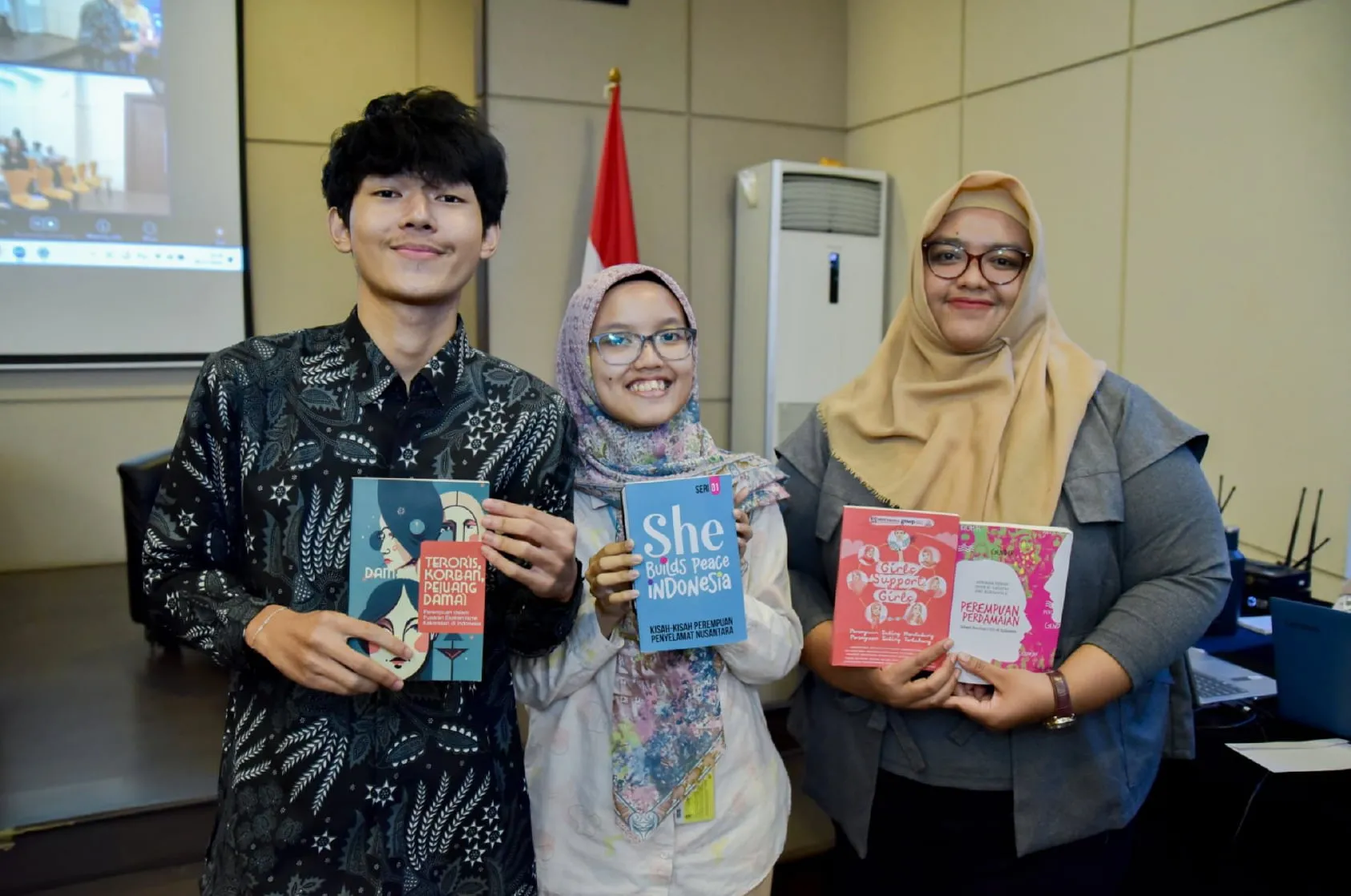
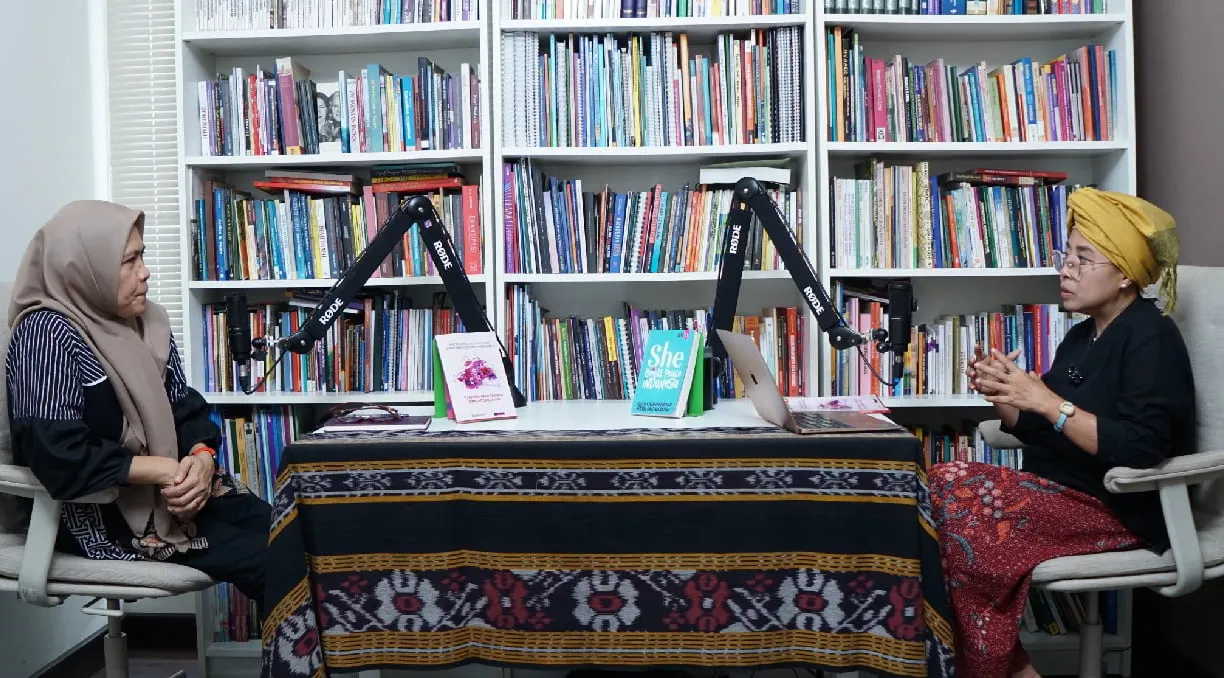
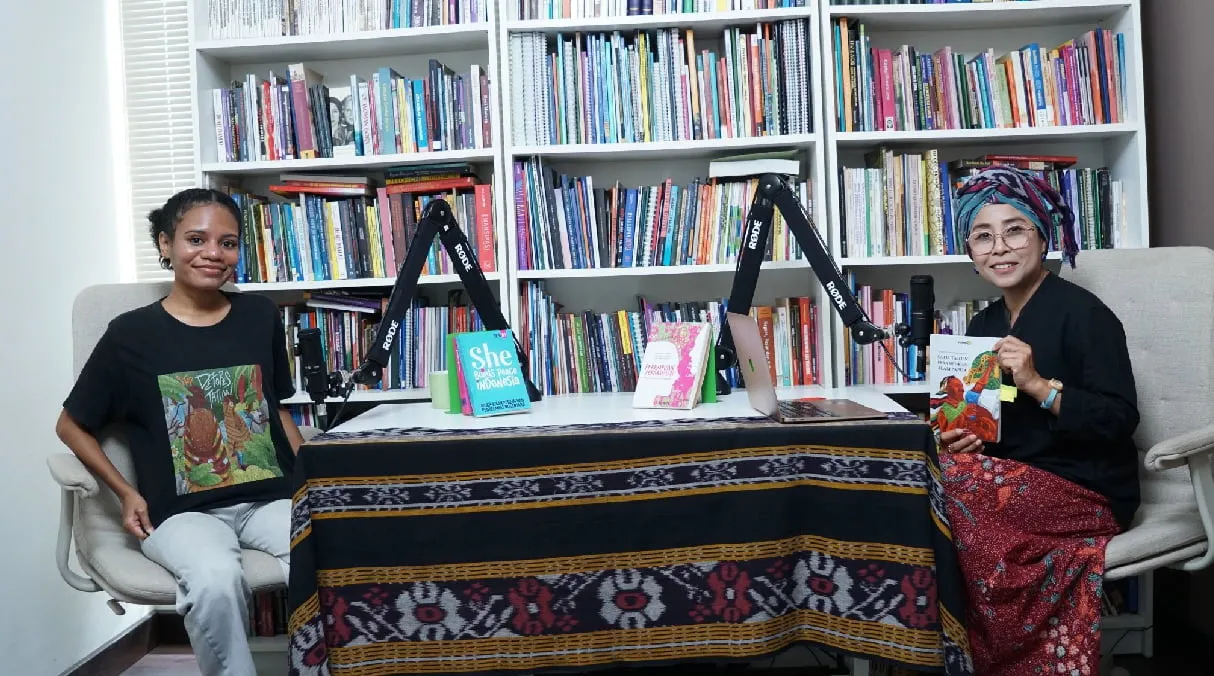
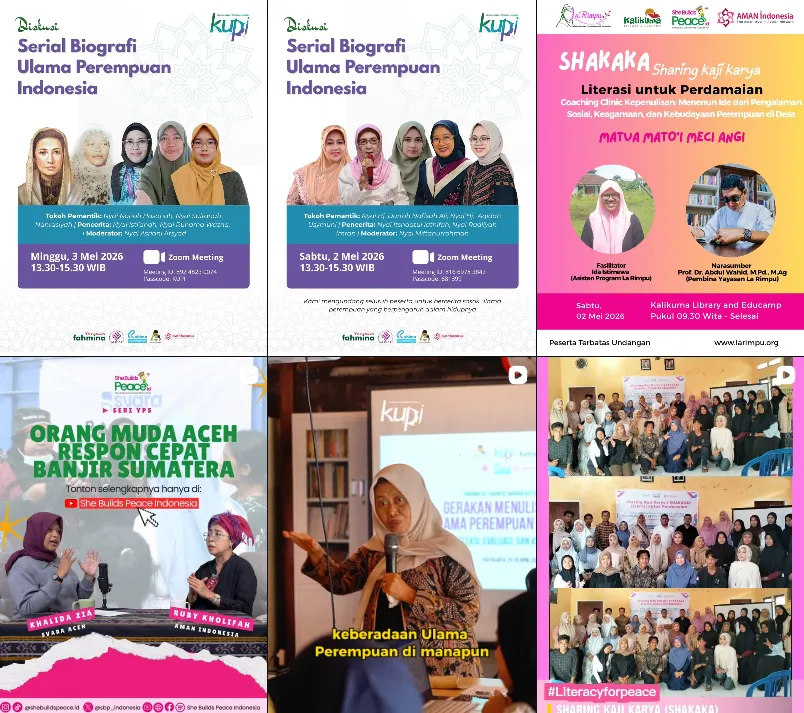
AMAN Indonesia supported the creation of videos and podcasts that document the experiences of women peacebuilders through the She Builds Peace Indonesia digital platform. For many of these women, this was the first time their work had been publicly recognized.
A woman leader shared that seeing her story documented gave her new energy to continue. After years of doing this work without recognition, the experience helped her feel seen, both by others and by herself.
These stories are doing more than raising awareness.
They are shifting how women are perceived within their communities. They are also creating space for reflection, helping women recognize the importance of their own contributions and think about how to move forward.
In this way, storytelling becomes not just a communication tool, but a source of strength.
Expanding the Conversation Online
To complement its community work, AMAN Indonesia is also engaging through digital platforms.
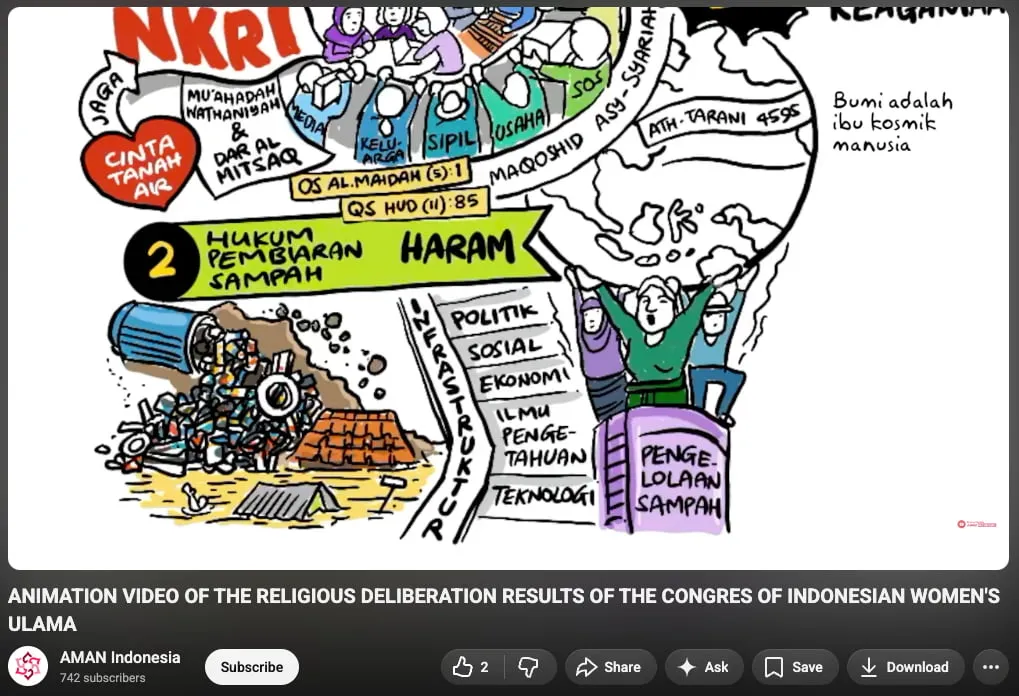
By sharing stories, reflections, and educational content online, they are reaching wider audiences and creating new entry points for conversation. This is especially important for young people, who often engage with these topics through digital spaces.
At the same time, this approach helps maintain connection across different locations. Even when people are not physically together, they can continue to learn from one another and stay engaged in ongoing discussions.
Reclaiming Herstory Through Memory
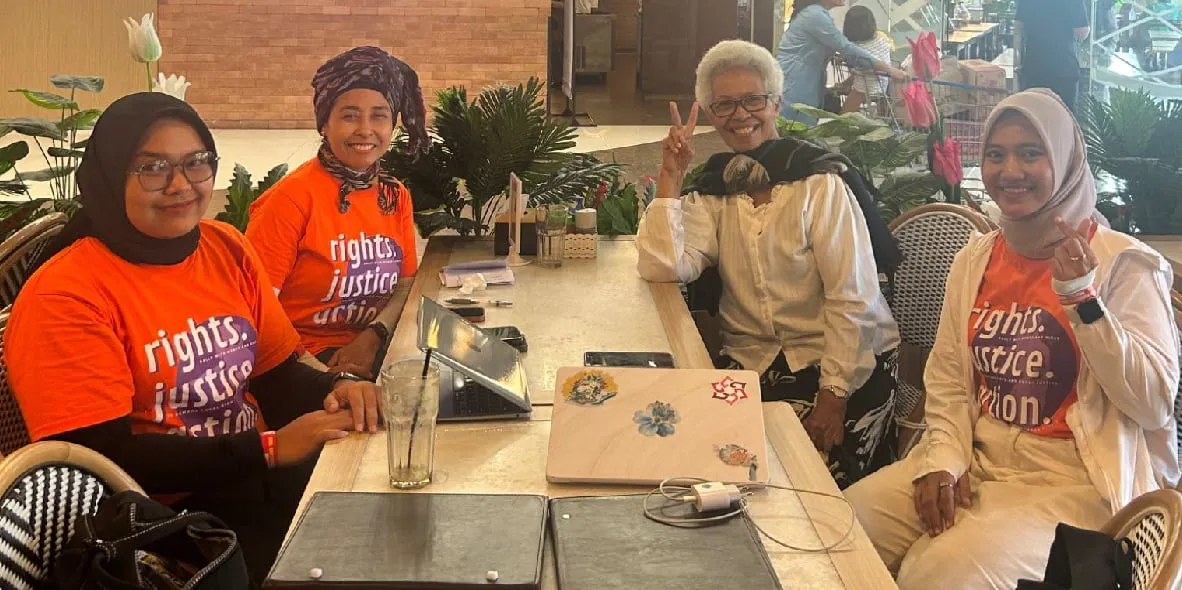
In Maluku, AMAN Indonesia is working to document the experiences of women involved in past peace efforts.
Many of these stories have never been formally recorded. They exist in personal memories, sometimes fragmented, sometimes shared only within small circles.
Through interviews and discussions, these memories are being brought together.
This process is not about creating a single, fixed narrative. Instead, it allows different perspectives to exist alongside one another, forming a collective understanding of the past.
For those involved, this work has created space to reflect on their experiences and to see how their contributions fit into a larger history.
It also offers something important for younger generations, a way to connect with the past and draw lessons that remain relevant today.
Looking Ahead
Across classrooms, communities, and digital spaces, AMAN Indonesia’s work is building connections that did not exist before.
Students are beginning to see themselves as part of peacebuilding. Young people are creating spaces for dialogue within their communities. Women are finding recognition and renewed energy through storytelling. And herstories that were once scattered are being brought together and shared.
This work continues to evolve, shaped by the people involved and the contexts they are navigating.
But one thing is clear.
When women are given the space to speak, to reflect, and to lead, peacebuilding becomes something real. Something lived. And something that grows from within communities themselves.