
The Arka Initiative: Rethinking Menstrual Health Through Community-Led Innovation
Sri Lanka
Building More Than a Machine: How Arka Is Reimagining Access to Menstrual Health
What does it take to create lasting access to menstrual products?
For Arka Initiative, the answer wasn't simply producing more sanitary pads. It meant asking a different question altogether.
What if communities could produce their own
That question became the foundation of Adithi 2.0, a research and development project exploring how affordable, locally manufactured sanitary pads could become a reality for women across Sri Lanka.
Rather than focusing solely on distributing products, Arka began designing a solution that communities could eventually own, operate, and sustain themselves.
Innovation Begins with Listening
For years, Arka has worked alongside women and girls through sexual and reproductive health education, legal advocacy, and community health programs. Again and again, the team encountered the same challenge.
Many women, particularly in rural communities, continue to face barriers accessing affordable menstrual products. While donations can provide temporary relief, they do little to address the long-term issue of availability and affordability.
The team believed there had to be another way.
Drawing on both engineering expertise and years of grassroots experience, Arka set out to develop a sanitary pad production machine that could be replicated locally and operated by communities themselves.
The ambition was never simply to build a machine. It was to create a pathway toward greater independence and local ownership.
Sometimes Simpler Is Better
The project initially aimed to develop an automated machine capable of producing sanitary pads with minimal manual intervention.
As research progressed, however, the team discovered that greater automation did not necessarily translate into greater impact.
Highly automated systems proved expensive to manufacture, difficult to maintain, and reliant on specialized components that were not always available locally.
Rather than continuing down that path, Arka made a deliberate decision to simplify the design.
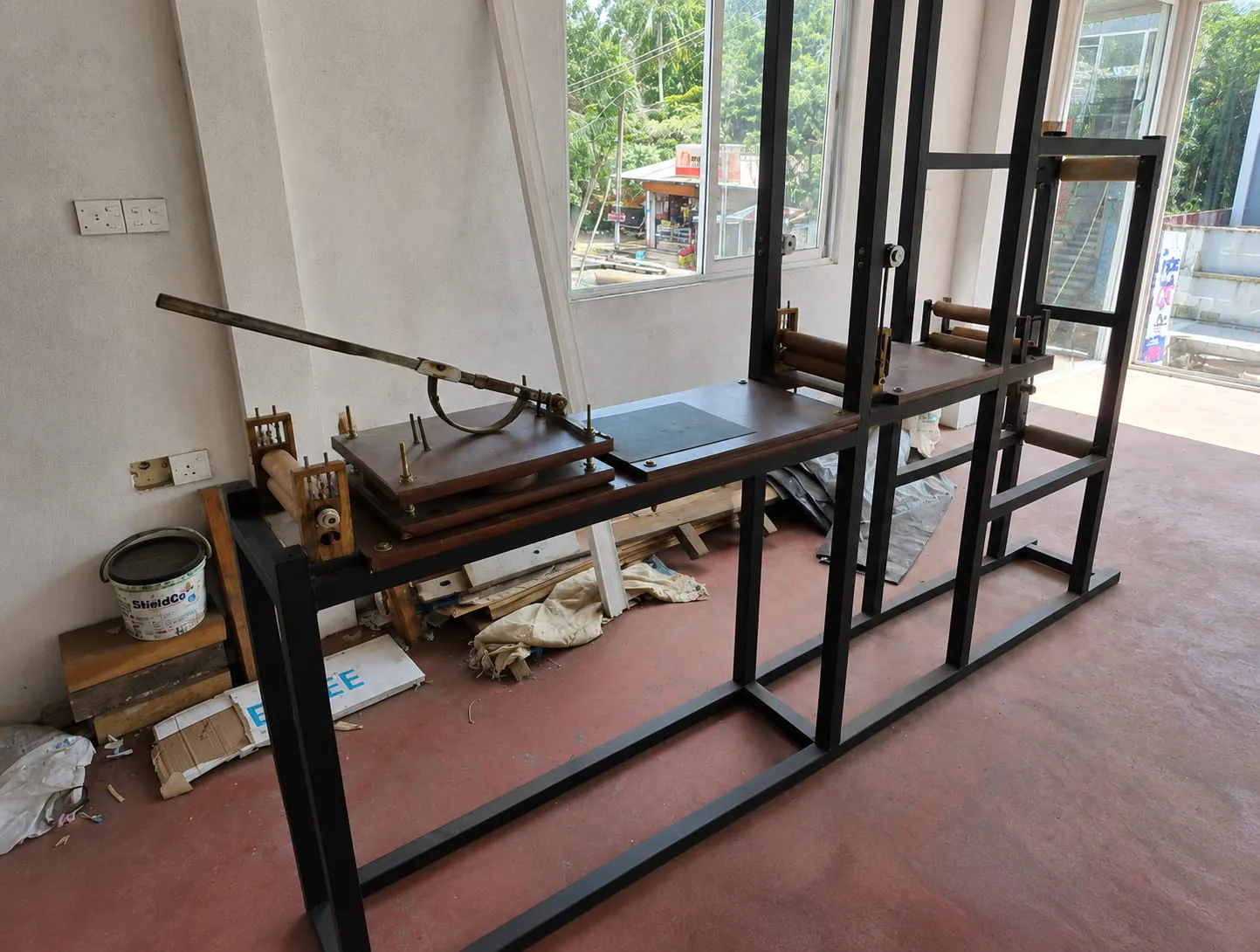
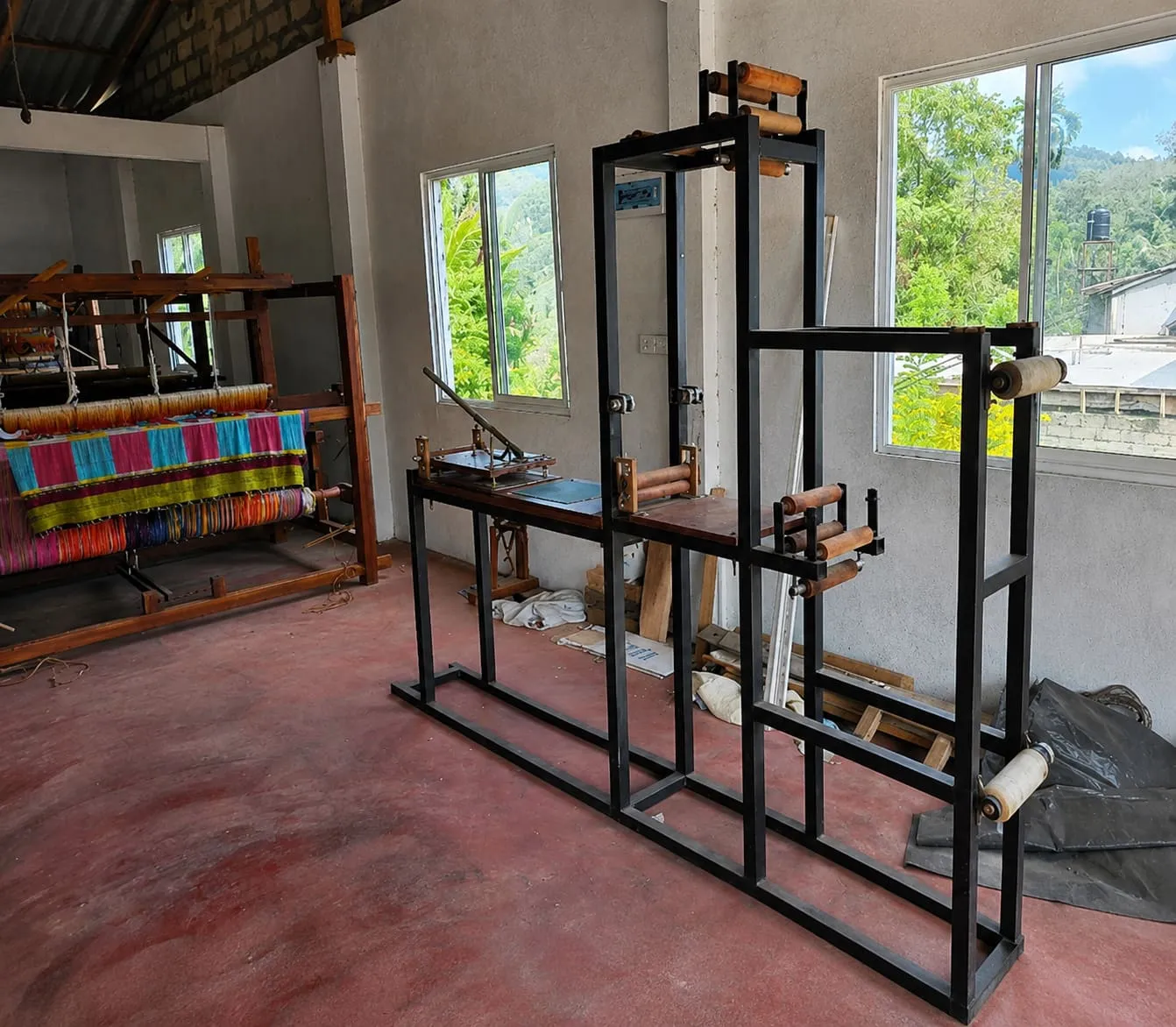
The machine gradually evolved into a fully manual prototype built primarily from readily available components. The result is a machine that is easier to repair, more affordable to reproduce, and better suited for use in the communities it is intended to serve.
The shift marked an important lesson throughout the project: sometimes innovation means making something simpler rather than more complex.
Testing the Solution with Communities
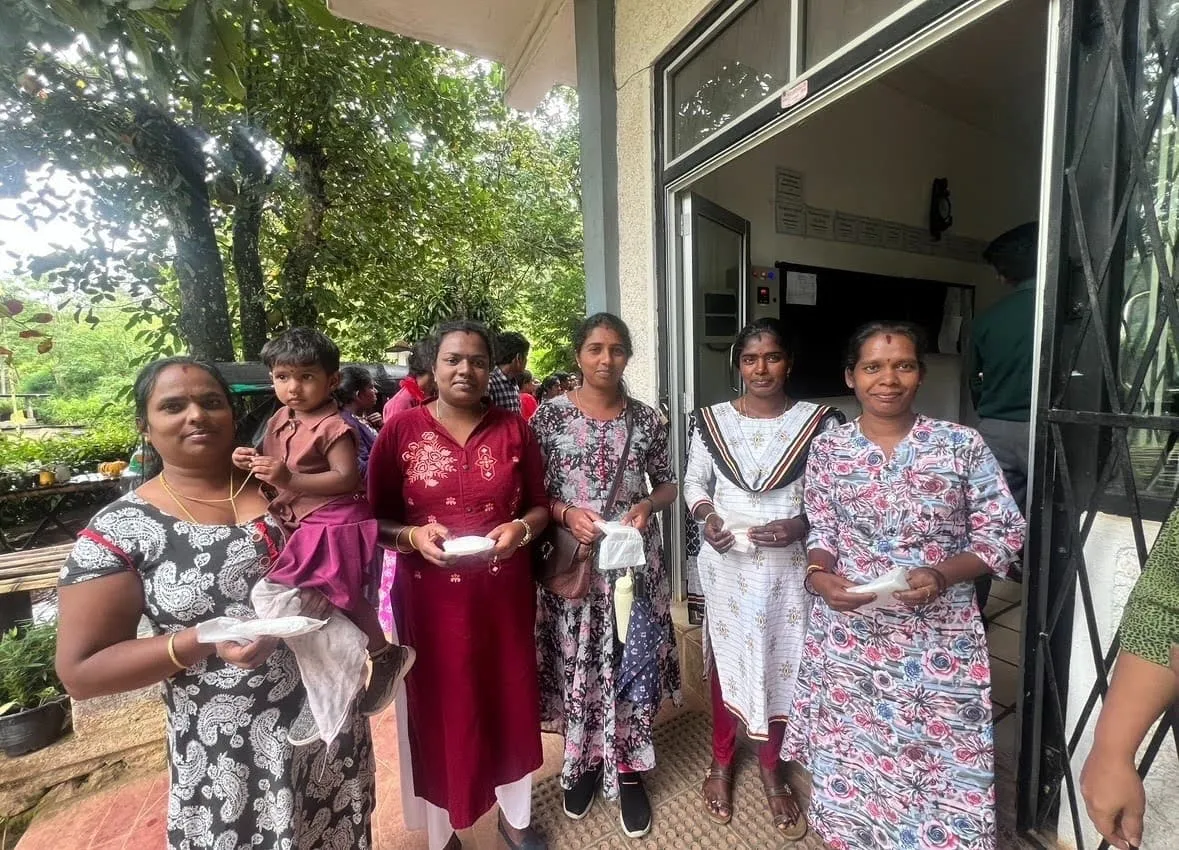
One of the project's most meaningful milestones came when the prototype was introduced to women in Maskeliya.
Participants who had never used the machine before were guided through the process of producing sanitary pads themselves.
The demonstration wasn't simply about testing whether the machine worked.
It was about understanding whether people could genuinely use it, learn it quickly, and see its value within their own communities.
One participant reflected afterwards:
"I never imagined I could make my own sanitary pads. Today, I feel proud and empowered. My daughter will be proud of me too, and I hope she will learn from this one day."
Moments like these reinforced Arka’s belief that meaningful innovation is measured not only by technical performance, but by whether people feel empowered to use it.
Looking Beyond the Machine
Alongside developing the prototype, Arka has also been researching locally sourced raw materials that could make sanitary pad production more affordable and sustainable over time.
The team is documenting every stage of the process with the goal of making both the machine design and the research openly accessible. Their hope is that community organizations, social enterprises, and small manufacturers—both in Sri Lanka and beyond—will eventually be able to replicate and adapt the model for their own contexts.
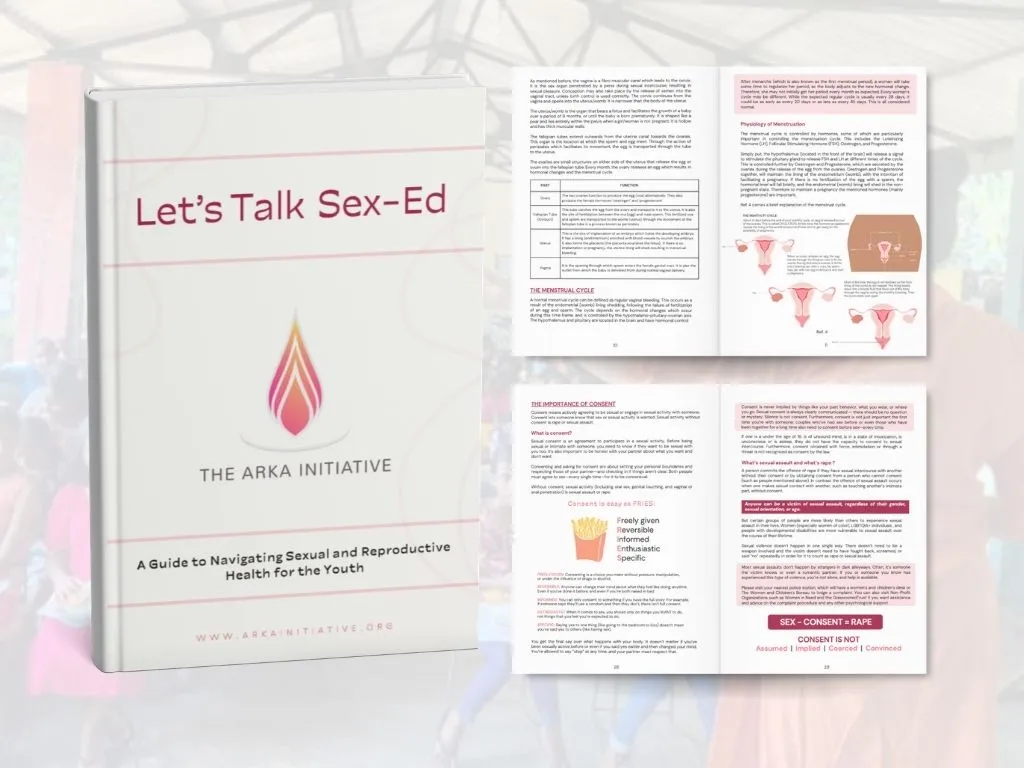
At the same time, Arka continues its broader commitment to sexual and reproductive health education. During this project, the organization also completed and launched its comprehensive sex education manual, providing freely accessible educational resources for young people, educators, and partner organizations across the country.
More Than a Prototype
Research and development rarely follows a straight path. Throughout the project, Arka adapted to technical challenges, evolving community needs, and new learning opportunities.
What began as an engineering project has become something much bigger.
It is an exploration of how technology, local knowledge, and community leadership can come together to address a long-standing challenge in a practical and sustainable way.
For Arka, this is about more than building a machine.
It is about creating opportunities for communities to take greater ownership of their health, expanding access to affordable menstrual products, and sharing knowledge so that others can build upon what they have learned.
Sometimes the most powerful innovations aren't the most complicated.
They're the ones that people can truly make their own.