
Young Leaders in Burkina Faso Are Rewriting the Future of Sexual and Reproductive Health
Burkina Faso
What happens when young people are trusted to design solutions for their own communities?
In Burkina Faso, it looks like multilingual health videos reaching displaced youth. It looks like young women learning digital entrepreneurship. It looks like intergenerational conversations breaking taboos around menstruation, gender-based violence, and early marriage. Most of all, it looks like a generation of young leaders stepping forward with creativity, courage, and determination.
Through a Move92-supported grant to BURCASO, eight youth-led initiatives were funded and implemented across the country. Each project was designed and led by young people aged 15 to 24, focused on improving access to Sexual and Reproductive Health and Rights (SRHR) in communities where reliable information and services are often limited.
Together, these initiatives directly reached more than 20,000 people.
Innovation Rooted in Community
The projects were as diverse as the communities they served.
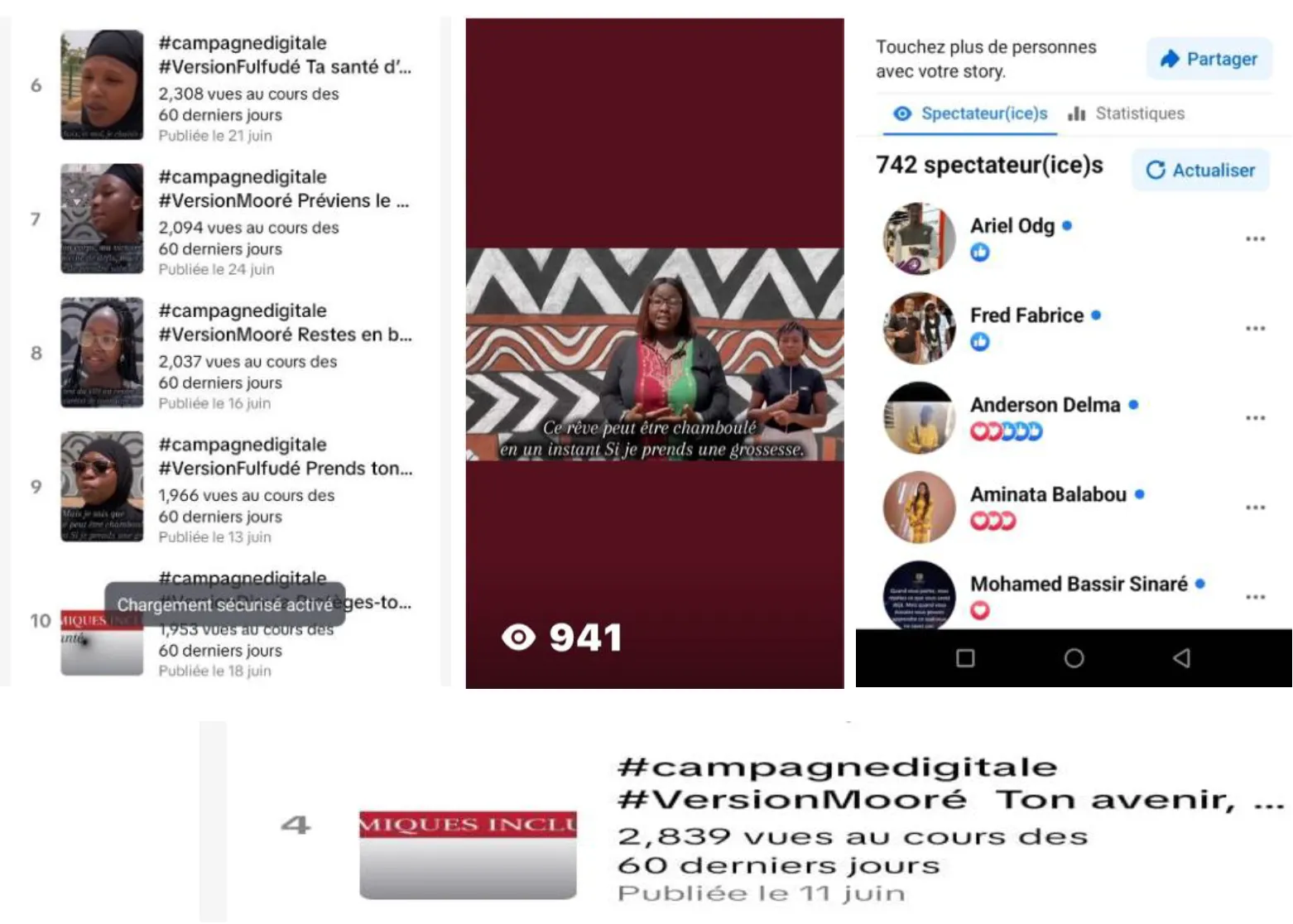
One initiative produced multilingual educational videos in Mooré, Dioula, Fulfulde, and sign language to ensure SRHR information was accessible to displaced youth and people with disabilities. These videos circulated widely on social media, reaching over 150,000 viewers and sparking conversations about HIV prevention, consent, and reproductive health in places where such discussions are often avoided.
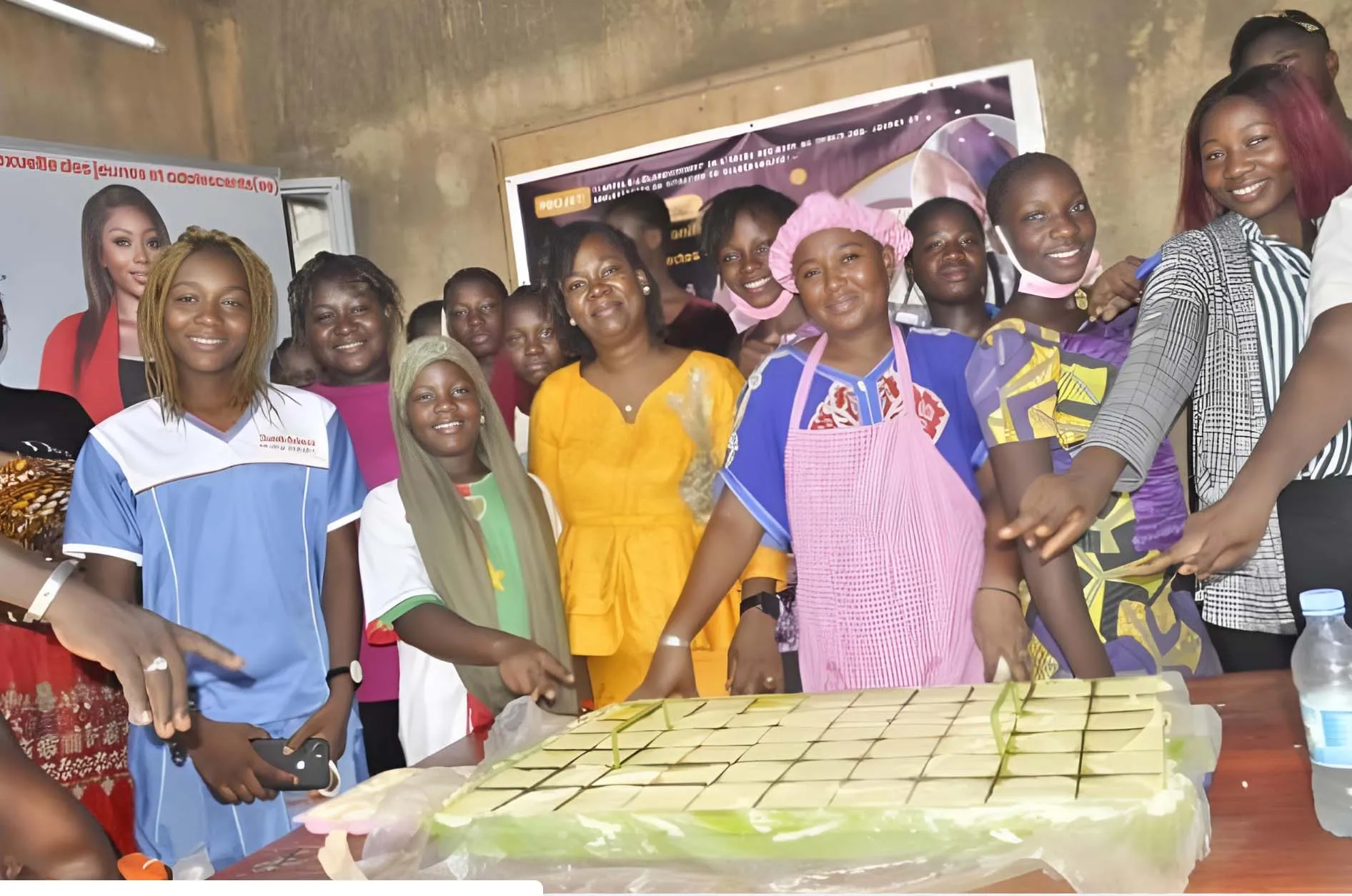
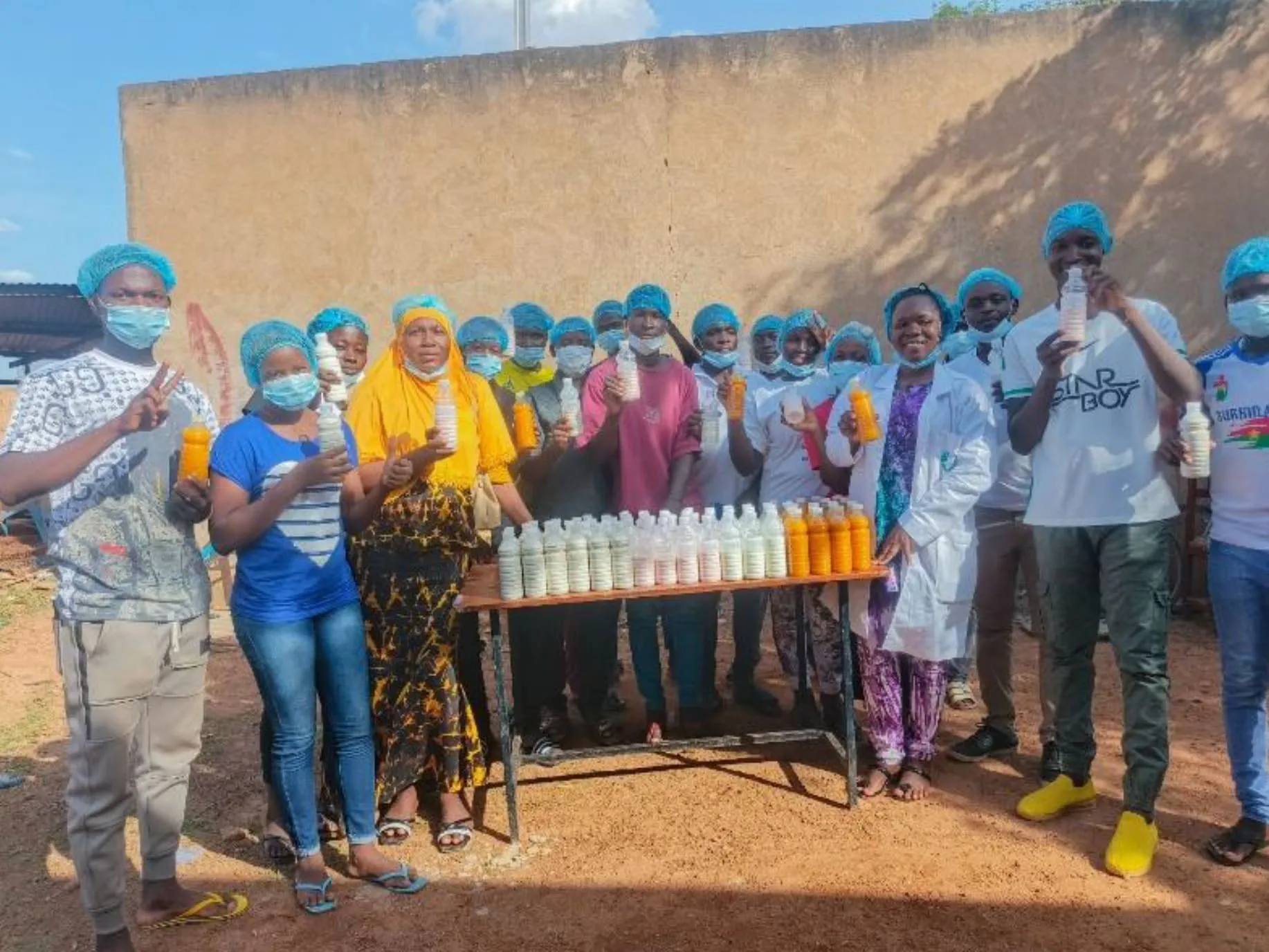
Another project brought mobile clinics and youth-friendly awareness events to rural communities, combining health education with entrepreneurship training. Young participants learned practical food-processing skills alongside sexual health education, building both confidence and economic resilience.
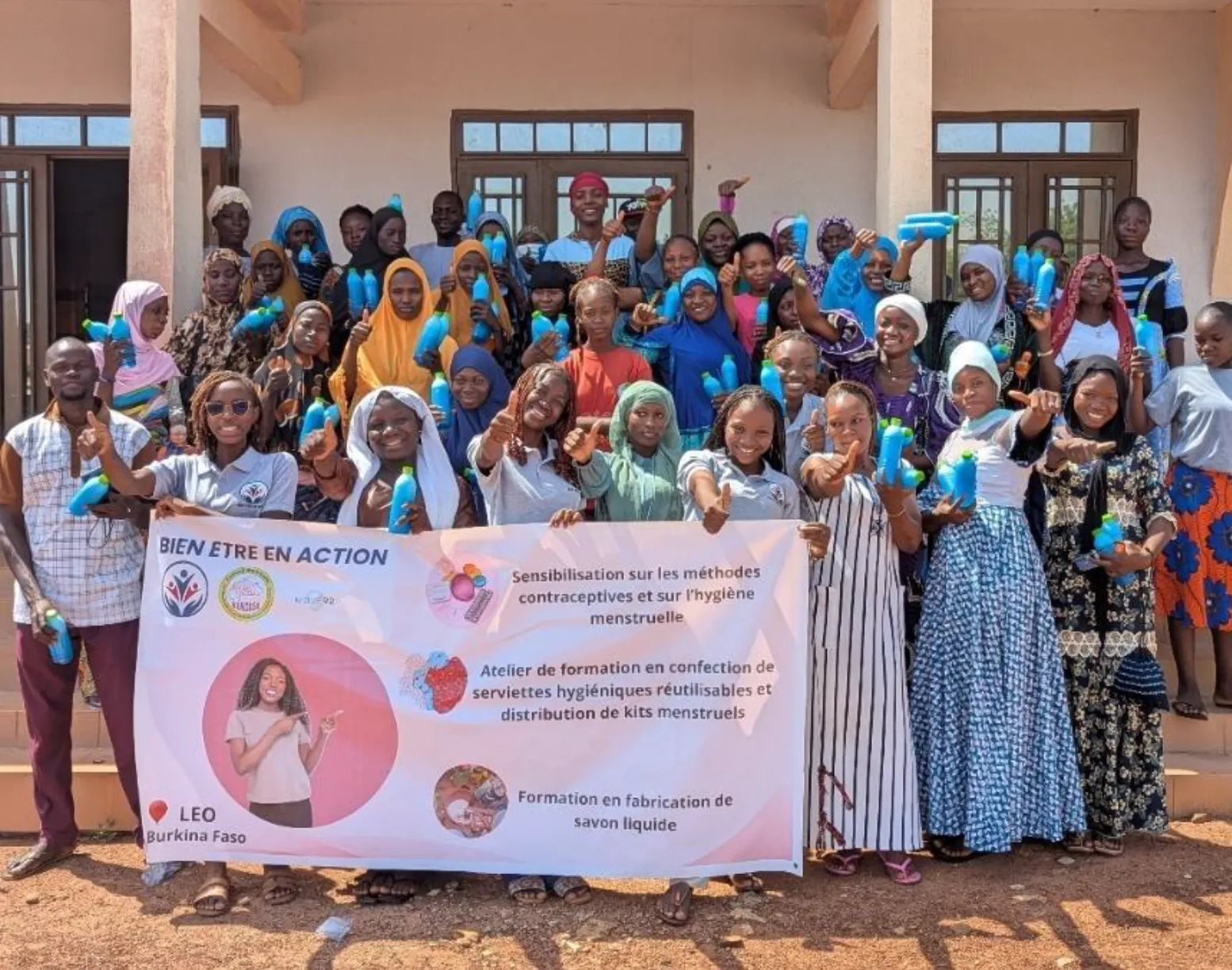
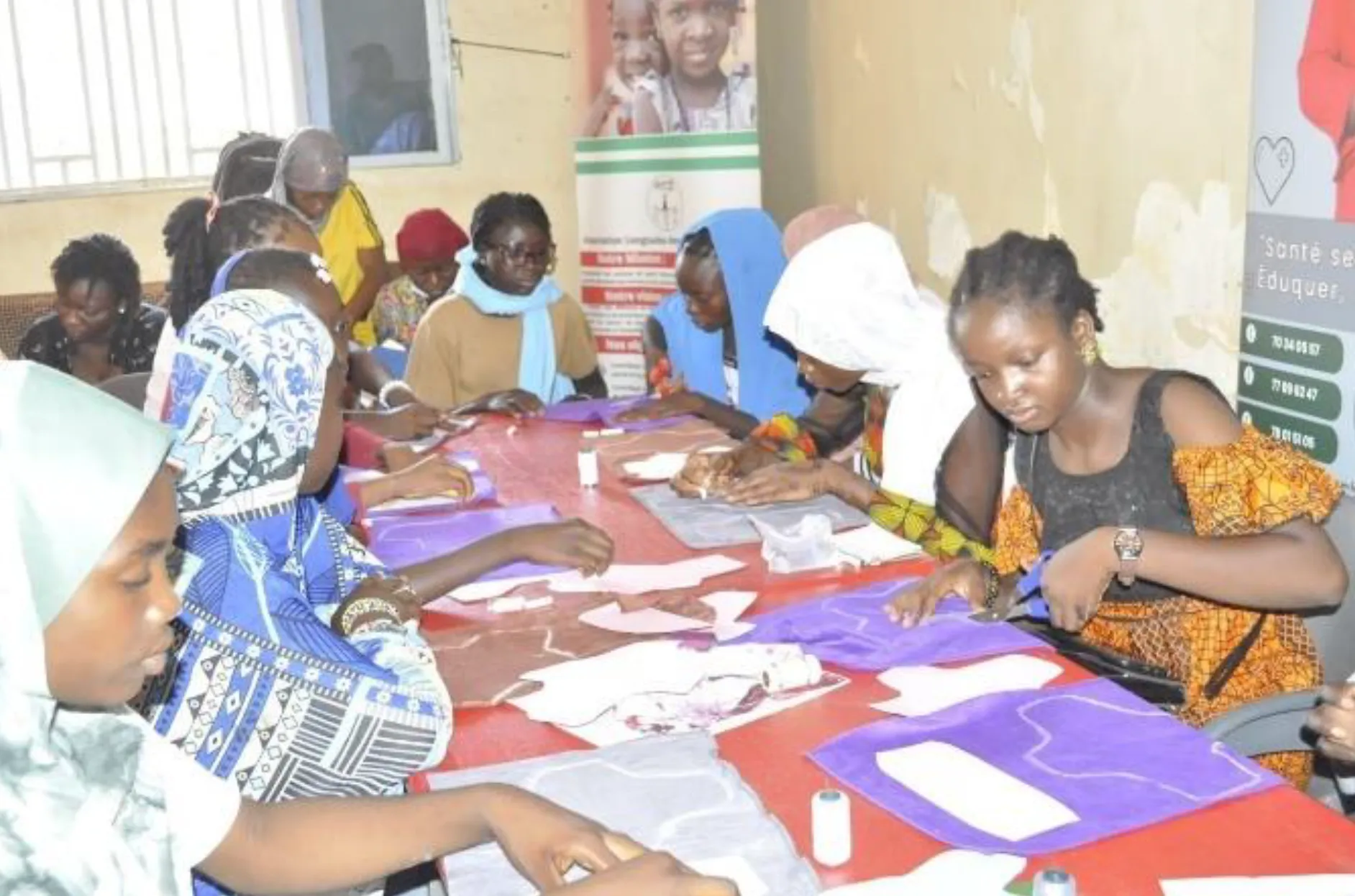
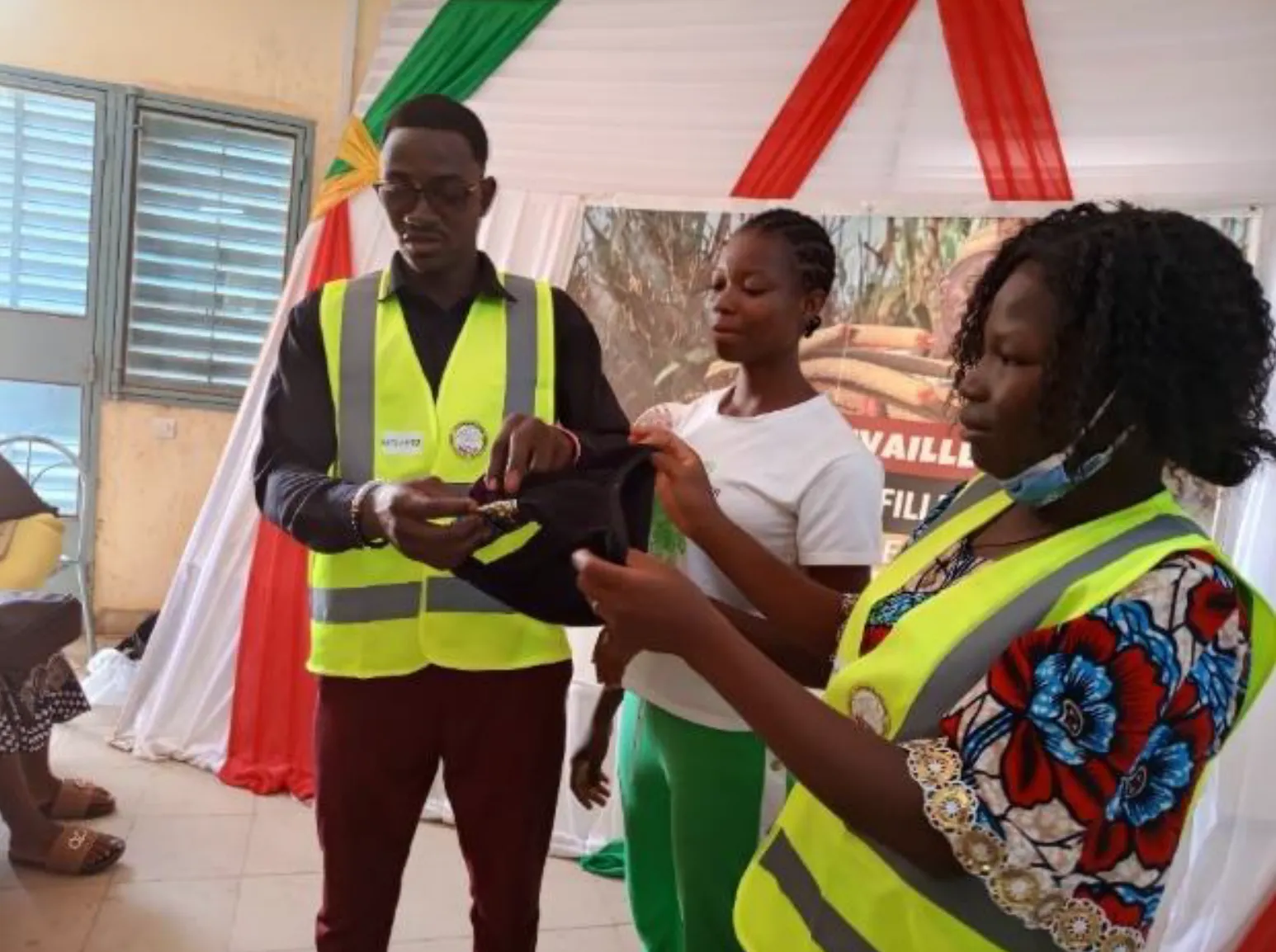
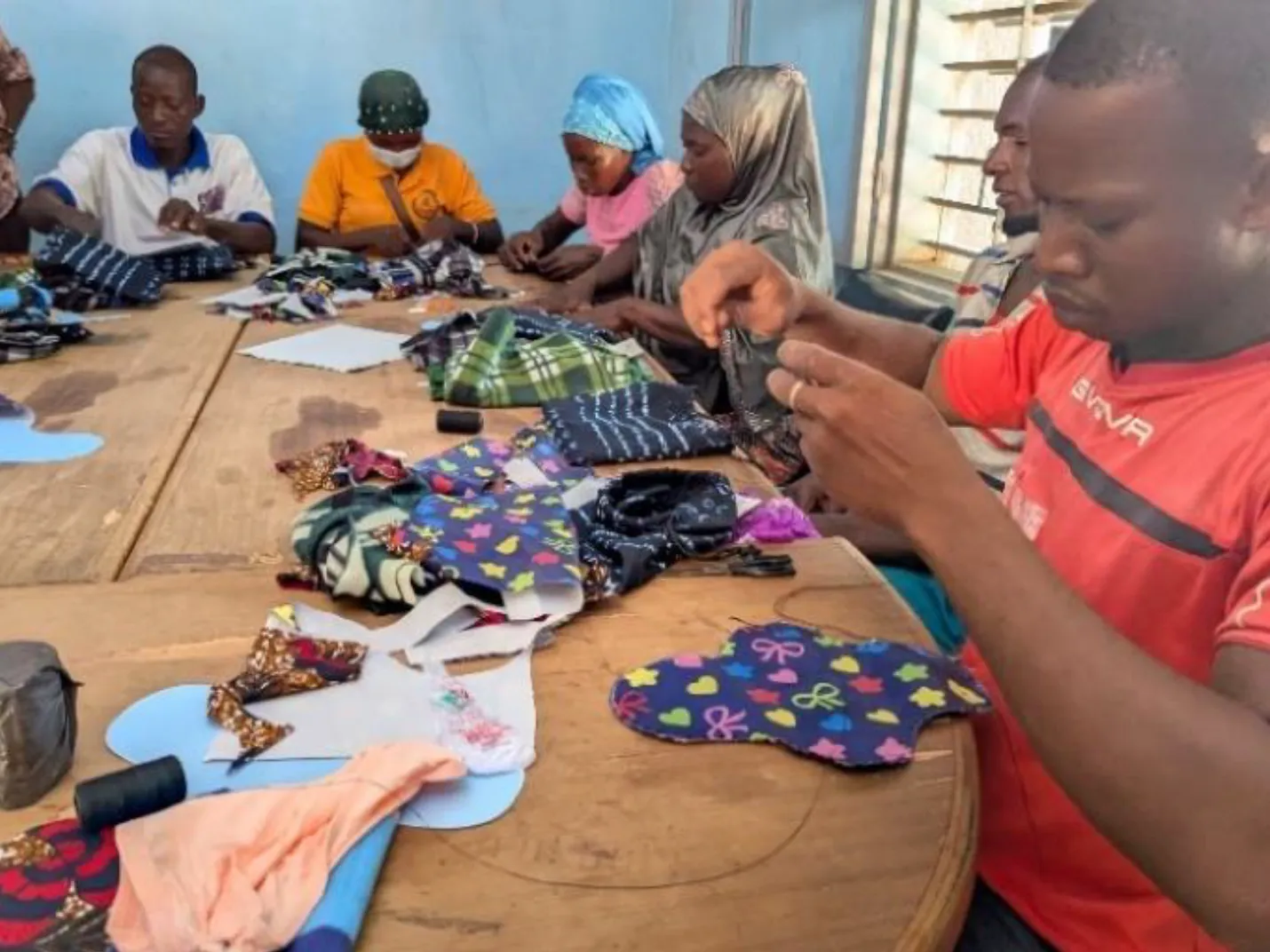
Several initiatives focused on menstrual health, teaching girls to make reusable sanitary pads and manage hygiene safely and affordably. These trainings did more than address health. They challenged stigma. Participants reported feeling more confident talking openly about menstruation and sharing knowledge with their peers.
Economic Empowerment as Health Protection
A consistent theme across the projects was the connection between economic empowerment and health.
Young women trained in digital marketing launched online businesses. Others learned textile production, craftwork, soap-making, and small-scale food processing. These activities provided immediate income opportunities while reinforcing independence and long-term stability.
One project trained dozens of women in traditional fabric production while integrating discussions about gender-based violence and reproductive rights. Another created digital campaigns reaching thousands of youth, ensuring health messages extended beyond physical workshops into everyday online spaces.
By pairing practical livelihood skills with SRHR education, the initiatives created holistic pathways to empowerment.
Breaking Taboos Through Dialogue
Many communities face deep-rooted silence around sexuality and gender issues. These projects intentionally created safe spaces for dialogue.
Intergenerational forums brought together youth, parents, religious leaders, and traditional authorities to discuss early marriage, reproductive rights, and gender-based violence. These conversations helped dismantle stigma and encouraged local leaders to publicly support youth access to information and services.
The participatory approach used sports events, art, storytelling, and digital tools to make learning accessible, engaging, and culturally grounded.
Young Leaders at the Center
Perhaps the most powerful outcome is not only the number of people reached, but the leadership capacity built along the way.
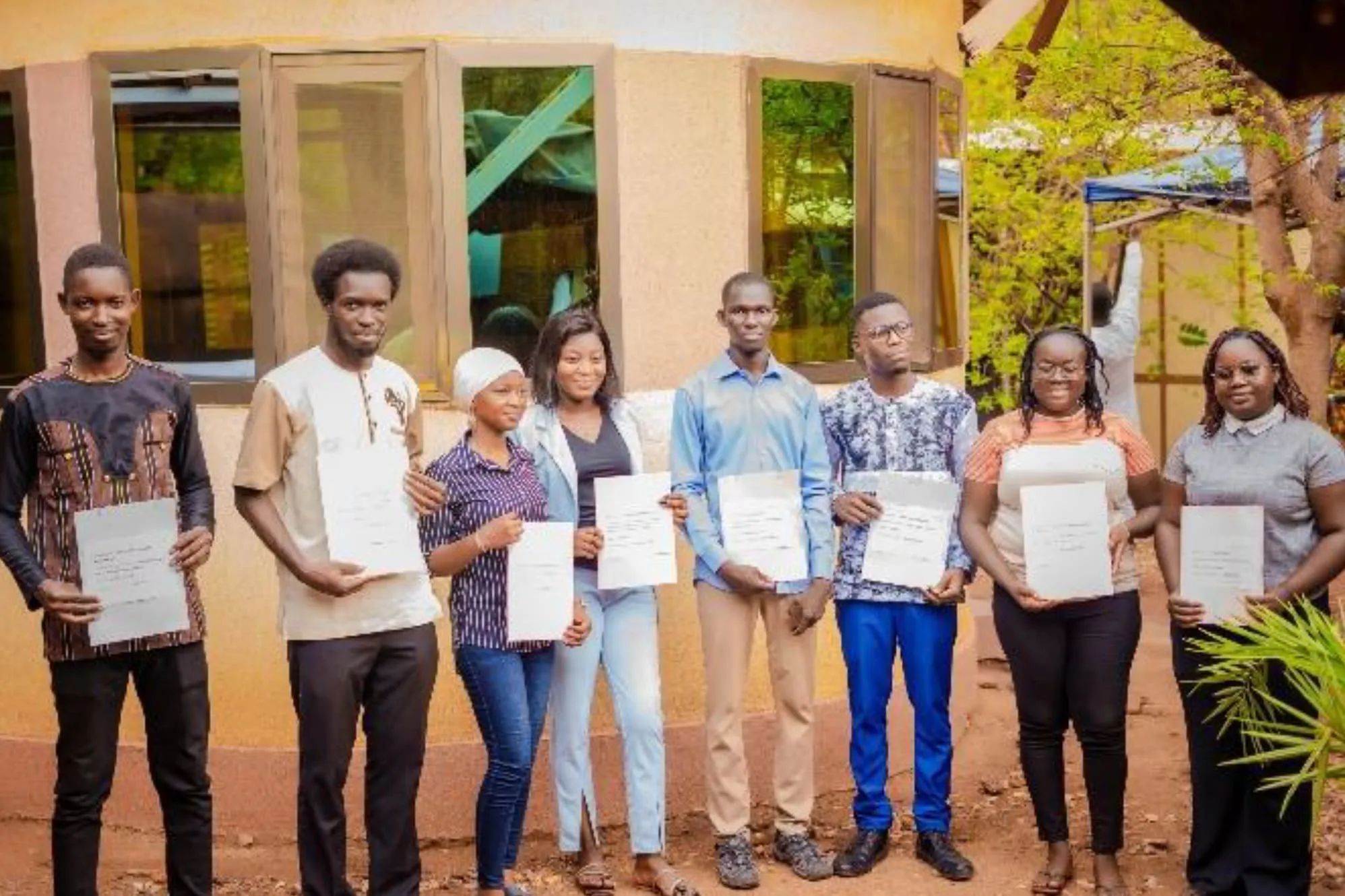
The young project leaders gained real-world experience in planning, budgeting, community mobilization, and partnership building. They learned how to advocate with authorities, manage teams, and document impact. Many are continuing their work beyond the funding period, acting as peer educators and community liaisons.
They are no longer just participants. They are organizers, educators, and change-makers.
A Model Worth Investing In
These initiatives show what happens when trust and flexible funding meets youth leadership and local knowledge. With relatively small grants and strong community trust, young people delivered large-scale social impact.
They proved that meaningful change does not always require massive infrastructure. It requires belief in local creativity, space to innovate, and support systems that allow young leaders to grow.
And in Burkina Faso, that belief is already transforming lives.